Thermal Imaging Leak Detection — non-invasive detection in Summerville, SC
A thermal imaging camera doesn't see water — it sees temperature. Wet insulation, damp drywall, and saturated concrete all hold and release heat differently than dry material, and those differences paint a visible pattern on the camera's screen. It is the fastest way to survey large wall, ceiling, and floor areas without touching them.
This page explains the method itself — also called infrared moisture imaging — including how patterns are interpreted and where the technology reaches its limits. Thermal imaging rarely works alone: it maps the suspect area, and acoustic listening or moisture meters confirm what the pattern suggests.
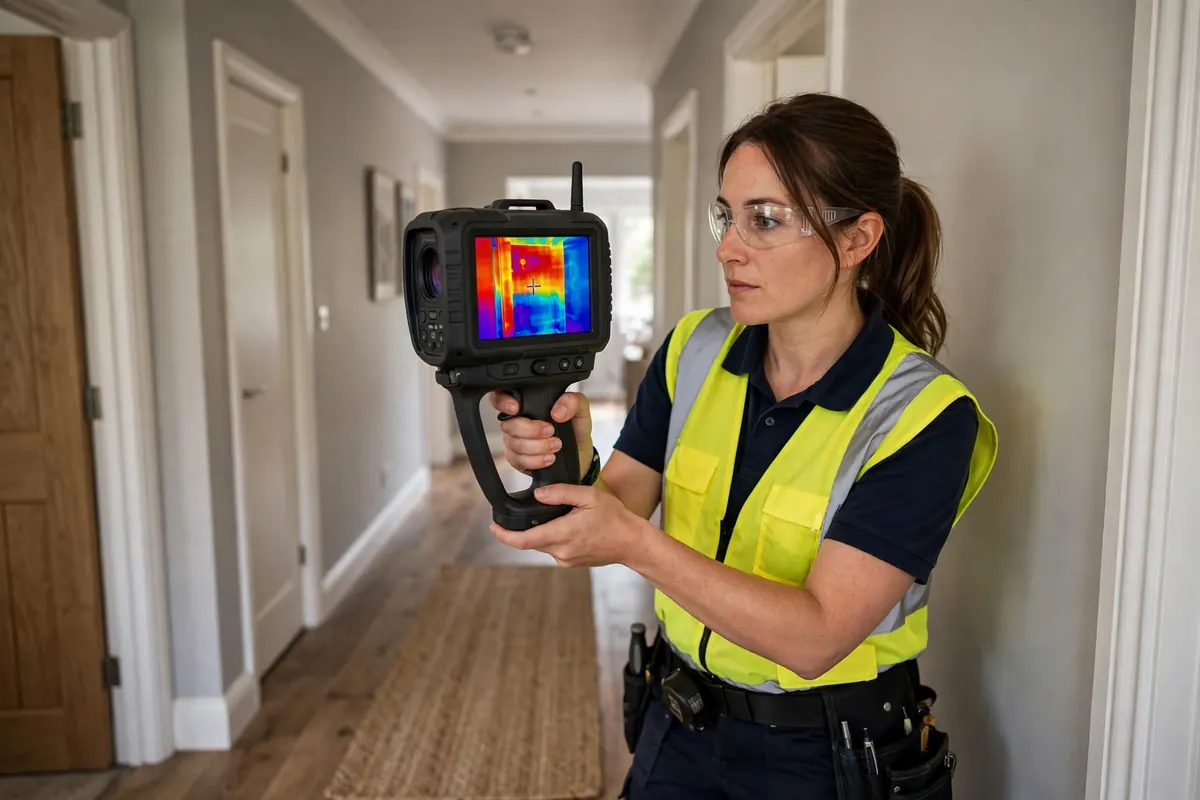
Every surface radiates infrared energy according to its temperature, and the camera translates that into a color map. Moisture changes a material's thermal behavior: evaporative cooling makes damp areas read cooler, while a hot-water leak under a slab reads warmer. The camera reveals the pattern — a plume spreading from a pipe run, a cool rectangle where insulation is saturated — and the technician reads the pattern the way a radiologist reads a scan.
Not every cool spot is a leak, and this is where expertise matters. A sharp-edged rectangle may be missing insulation; a diffuse plume tracking a wall's base may be wicking moisture; a warm streak across a slab often traces a hot-water line's path to its break. Interpretation weighs shape, edges, symmetry, and context — then verifies with a moisture meter before anyone acts on the image. The camera finds suspects; confirmation convicts.
For wall and ceiling investigations, thermal imaging surveys whole rooms in minutes, showing exactly how far moisture has spread behind paint and drywall. On slabs, it is the go-to method for hot-water line breaks — the escaping hot water warms the concrete in a footprint no other non-invasive method reveals as quickly. For cold-water slab leaks, where no heat signature exists, acoustic listening takes the lead instead.
Thermal imaging needs a temperature difference to work with — a leak at ambient temperature in a climate-controlled room may show nothing. It cannot see through all materials or determine depth, and sun-warmed walls, air leaks, and insulation gaps all create false positives. That is why we treat thermal as a survey and confirmation tool, never a standalone verdict. Any provider promising a guaranteed find from a camera alone is overselling the technology.
☎ Call +1 843-936-8115 — open 24 hours, 7 days. We answer.
Call NowHot water is run or HVAC adjusted so leaks stand out against background temperatures.
Walls, ceilings, and floors are scanned systematically, not just at the visible stain.
Shapes, edges, and symmetry are read to separate leak signatures from false positives.
Moisture meters and, where appropriate, acoustic listening confirm what the camera suggests.
Anomalies are marked on surfaces and recorded with thermal images for the repair step.
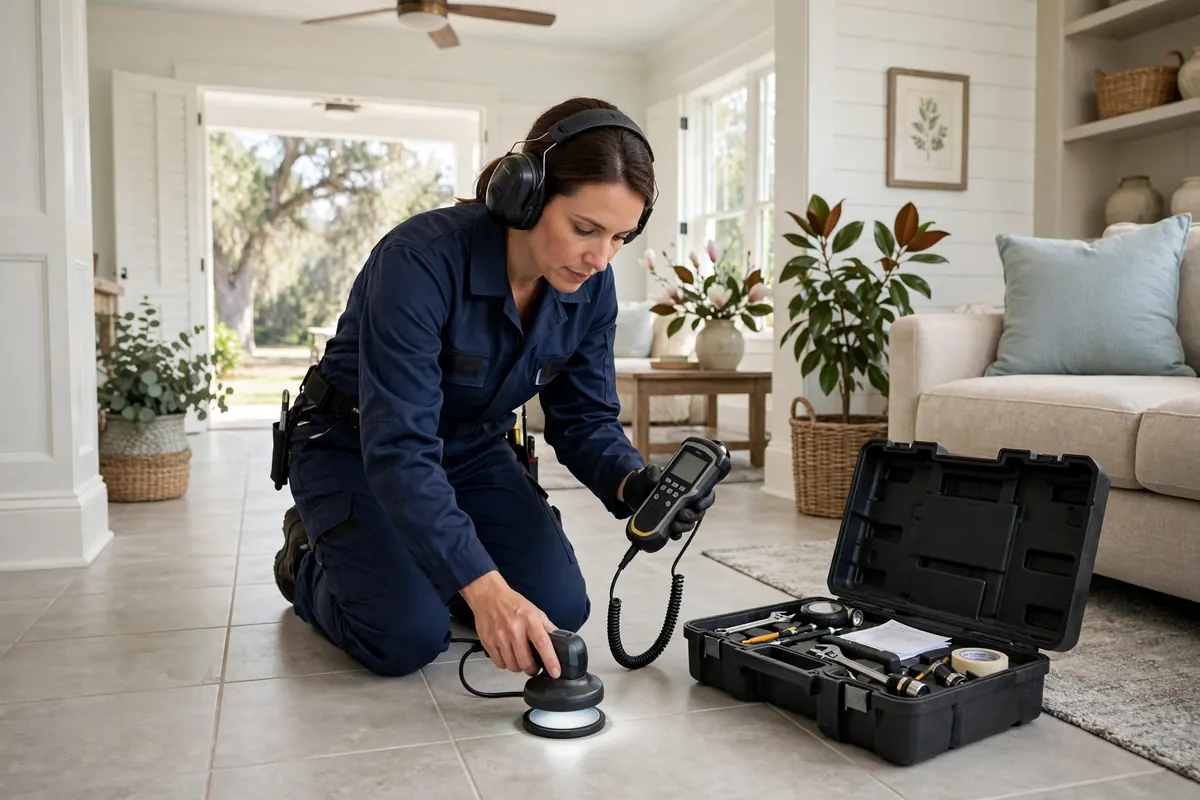
Acoustic Leak Detection — non-invasive detection in Summerville, SC
Learn more →Hidden Wall & Ceiling Leak Detection — non-invasive detection in Summerville, SC
Learn more →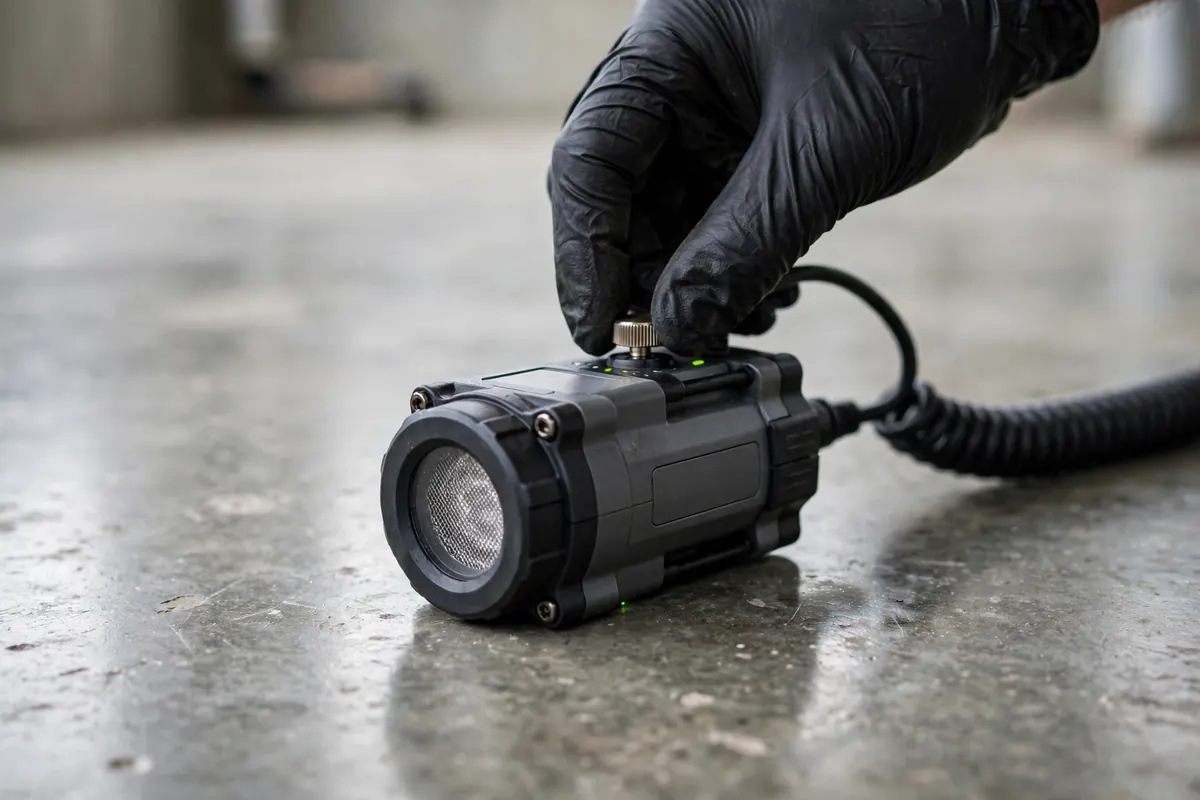
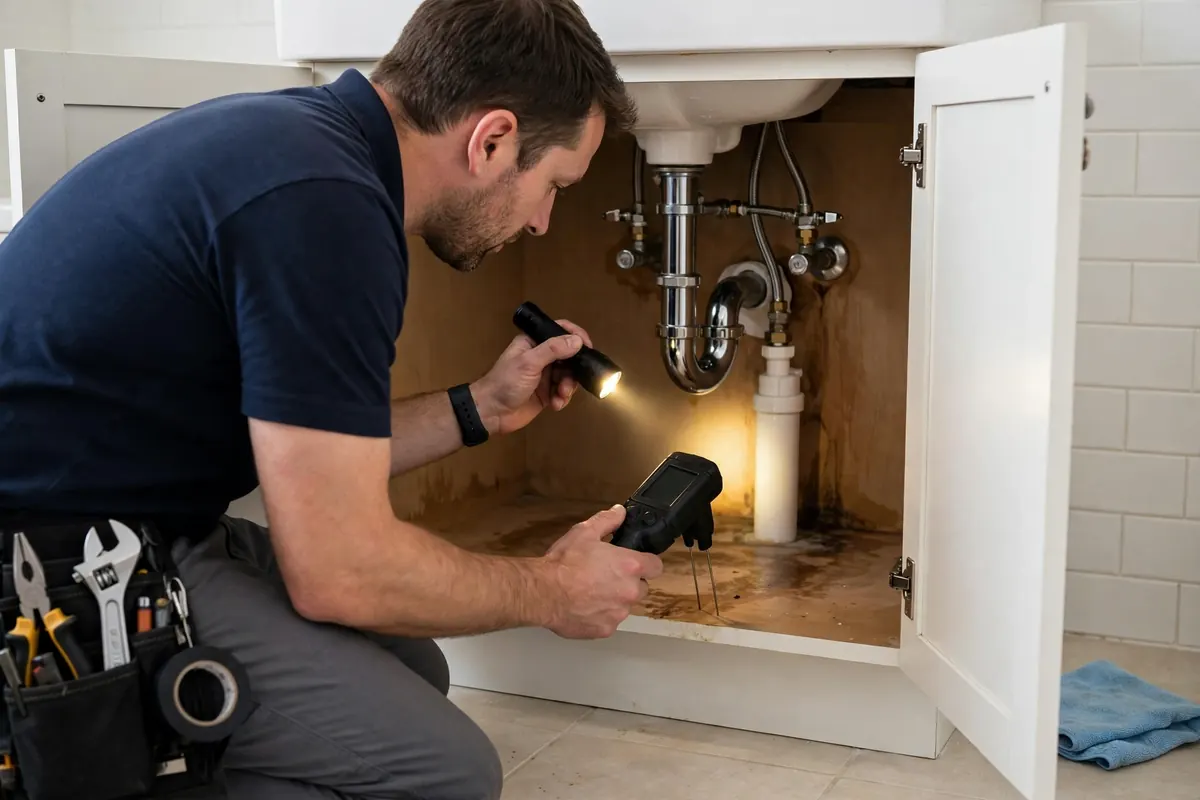
Bathroom Plumbing Leak Detection — non-invasive detection in Summerville, SC
Learn more →Every day a hidden leak runs, the water bill climbs and the damage spreads. Call now — we answer 24 hours a day.
