Bathroom Plumbing Leak Detection — non-invasive detection in Summerville, SC
Bathrooms pack more plumbing into less space than any room in the house: supply lines, angle stops, faucets, toilets, shower valves, tub drains, and tile assemblies — often stacked directly above finished ceilings. When something in that maze fails, the symptom can surface feet away, in the room below, or inside the vanity cabinet.
This page covers the whole bathroom as a system, organized by fixture: under-sink and cabinet supply leaks, toilet leaks into the floor, and shower pan and tile failures. One visit, one investigation — we determine which fixture is actually at fault instead of replacing parts by guesswork.
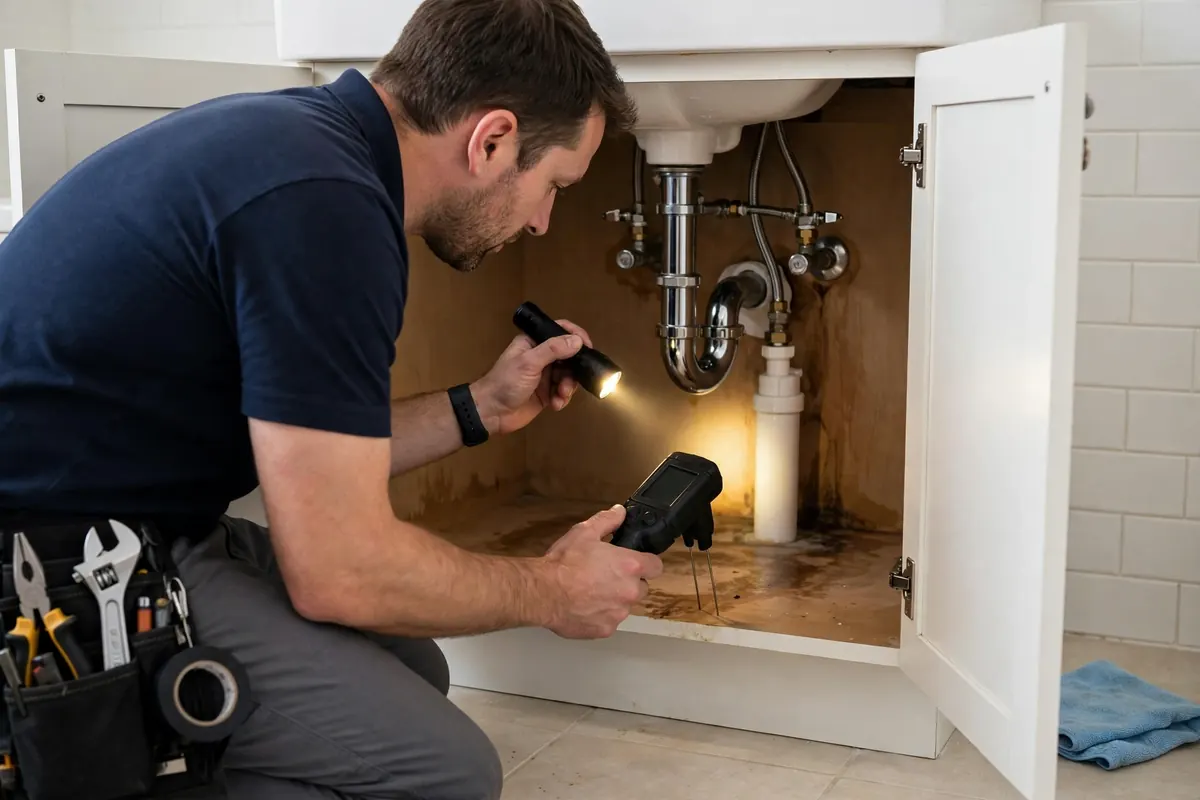
A bathroom leak investigation starts by dividing the room into zones: the supply side (angle stops, faucet supply lines, toilet supply), the fixtures themselves (toilet seals, faucet bodies), the shower and tub assembly (pan liner, tile, grout, mixing valve), and the drains. Each zone fails differently and leaves different evidence. Mapping symptoms to zones keeps the search narrow — a stain below the toilet points somewhere very different than a stain below the shower curb.
The cabinet under a sink is where slow supply-line drips and trap seeps hide for months. Angle-stop connections loosen, braided supply lines fatigue, and trap slip-joints weep just enough to swell the cabinet floor without ever puddling visibly. These deserve a homeowner's first look — dry everything, lay paper towel at each joint, and check an hour later. When the source still isn't obvious, or damage extends into the wall behind, instrument-based detection takes over.
A toilet leaking at its base is usually a failed wax ring or a compromised flange — and the water goes straight into the subfloor, not onto the tile where you'd notice it. Warning signs: a toilet that rocks, caulking that keeps failing at the base, or a soft spot in the flooring nearby. Left alone, it rots the subfloor and the ceiling below. Detection here means confirming the seal failure versus a supply-line or tank leak, so the fix addresses the real fault.
Tile and grout are not waterproof — the waterproofing lives in the pan liner beneath. When that liner fails, or when the curb, bench, or valve penetration wasn't sealed, water migrates into the wall cavity and floor structure with every shower. These leaks are sneaky precisely because the shower looks fine: damage spreads invisibly until tiles loosen or the ceiling below stains. We isolate the shower from the rest of the bathroom's plumbing to prove whether the pan assembly is the source.
☎ Call +1 843-936-8115 — open 24 hours, 7 days. We answer.
Call NowSymptoms are mapped to supply, fixture, shower, or drain zones to narrow the search.
Fixtures are tested independently so the failing one is identified, not guessed.
Thermal imaging and meters trace how far water has traveled behind surfaces.
The exact failed component — seal, valve, line, or pan — is located and documented.
Findings are written up so a plumber or tile contractor fixes the right thing once.
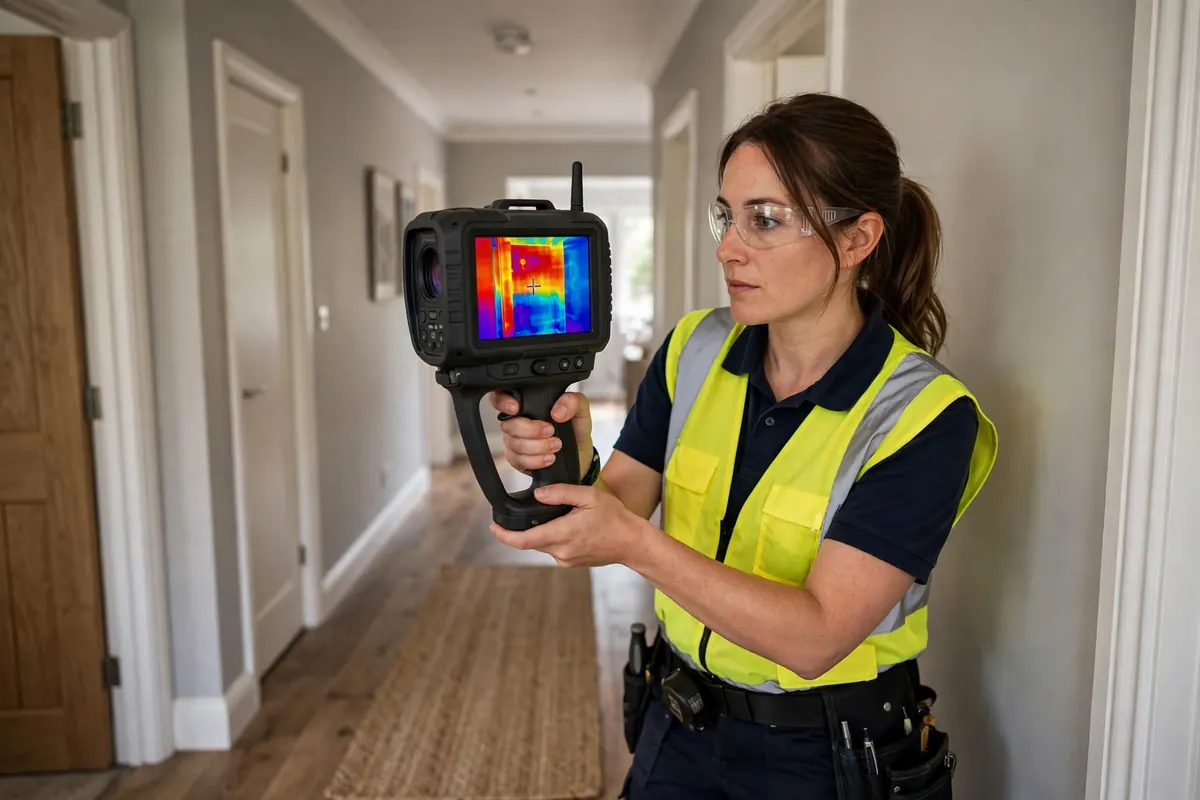
Hidden Wall & Ceiling Leak Detection — non-invasive detection in Summerville, SC
Learn more →Thermal Imaging Leak Detection — non-invasive detection in Summerville, SC
Learn more →
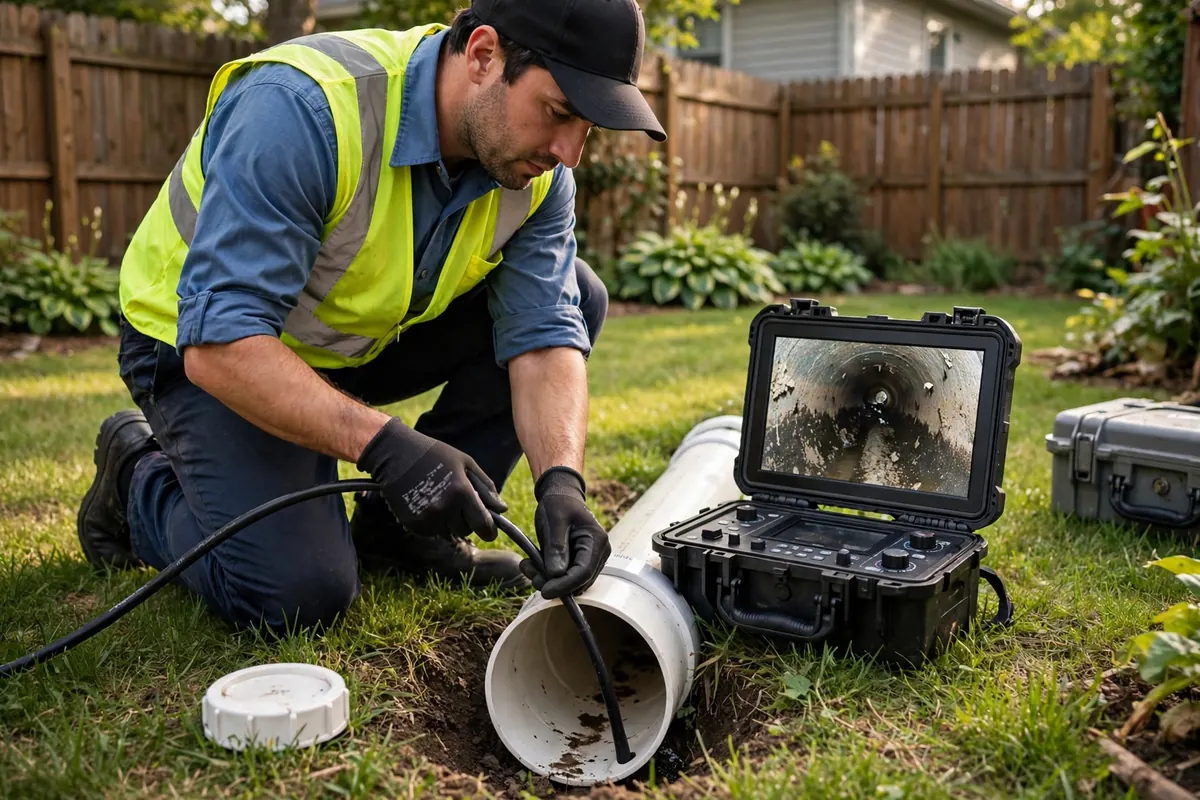
Sewer Camera Inspection — non-invasive detection in Summerville, SC
Learn more →Every day a hidden leak runs, the water bill climbs and the damage spreads. Call now — we answer 24 hours a day.
