Pool & Spa Leak Detection — non-invasive detection in Summerville, SC
Every pool loses some water to evaporation — in Summerville's long, hot swim season, that baseline is higher than most owners expect. The question is never whether the level drops, but whether it's dropping faster than evaporation explains. Answering that question correctly is the entire foundation of pool leak detection.
We start with the bucket test — including the critical pump-on versus pump-off comparison that separates plumbing leaks from shell leaks — then pressure-test underground lines and dye-test fittings. Spas get the same treatment: most are plumbed into shared equipment with the pool, so the investigation covers the whole system.
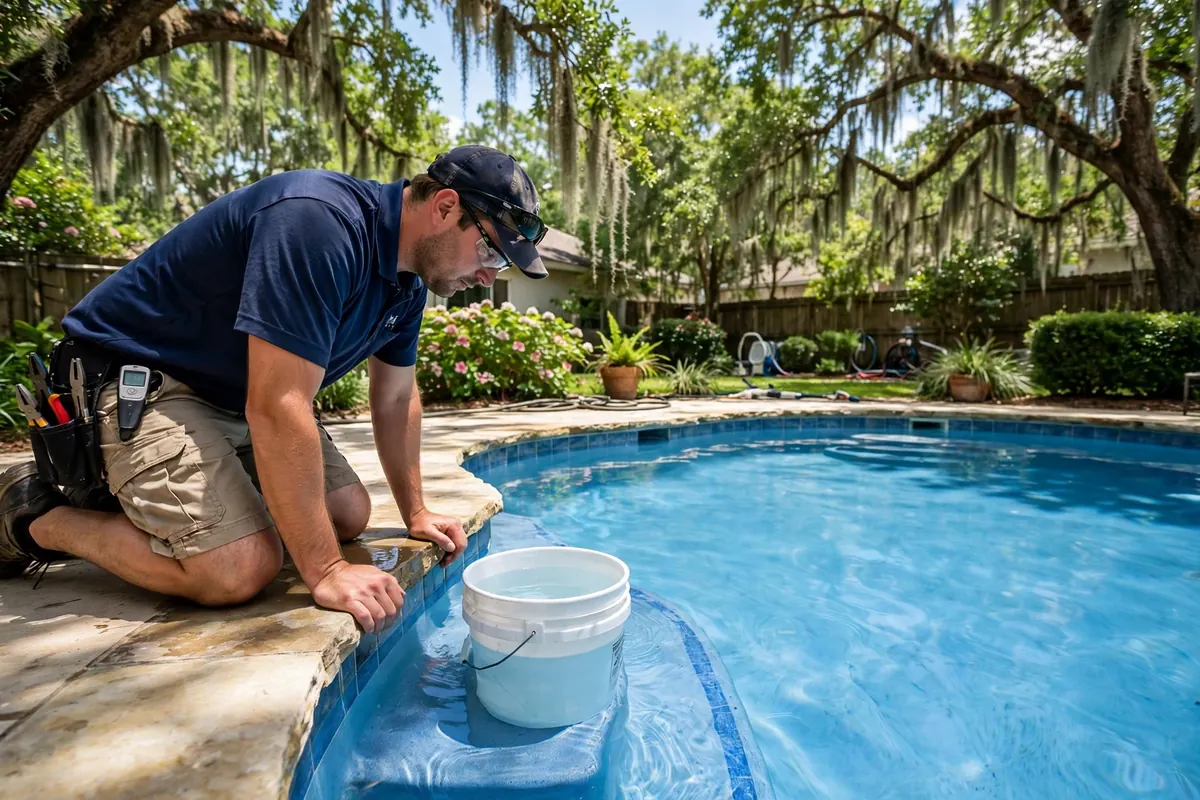
Fill a bucket with pool water, set it on a pool step so the waterlines are comparable, and mark both levels. After 24 hours with the pump running normally, compare: if the pool dropped more than the bucket, water is leaving through something other than evaporation. Then repeat with the pump off — a leak that slows with the pump off points to pressurized plumbing; one that continues points to the shell or fittings. That single comparison halves the search before instruments come out.
The usual suspects, in rough order: skimmer throats and their seals, return fittings, underwater light niches, the main drain sump, and then underground plumbing — suction and return lines cracked by soil movement or root pressure. Vinyl liners tear at seams and fittings; concrete pools develop structural cracks. Each leaves a slightly different signature, and the bucket test's pump-on/off result already hints at which family you're in.
Spas lose water for the same reasons pools do, but their plumbing is denser — jets, air blowers, and heaters packed into a small footprint with many glued joints. A spa that drops while the pool holds steady usually has its own isolated issue; one that drops with the pool points to shared equipment. Because most Summerville spas share pumps and filters with the pool, we investigate the combined system rather than either vessel in isolation.
Once the bucket test classifies the leak, pressure testing isolates each underground line — a line that won't hold pressure has the break, and acoustic listening along its run finds where. Dye testing around skimmers, lights, and returns reveals suction leaks visually: the dye gets drawn into the crack. The result is a marked, documented leak location instead of exploratory digging around the equipment pad.
☎ Call +1 843-936-8115 — open 24 hours, 7 days. We answer.
Call NowPool-versus-bucket comparison with the pump on, then off, classifies the leak type.
Skimmers, returns, lights, and the equipment pad are checked for visible faults.
Each underground line is isolated and tested; a failing line gets traced.
Dye around skimmers, lights, and returns reveals suction-side shell leaks.
The leak's location is marked and written up for targeted repair.
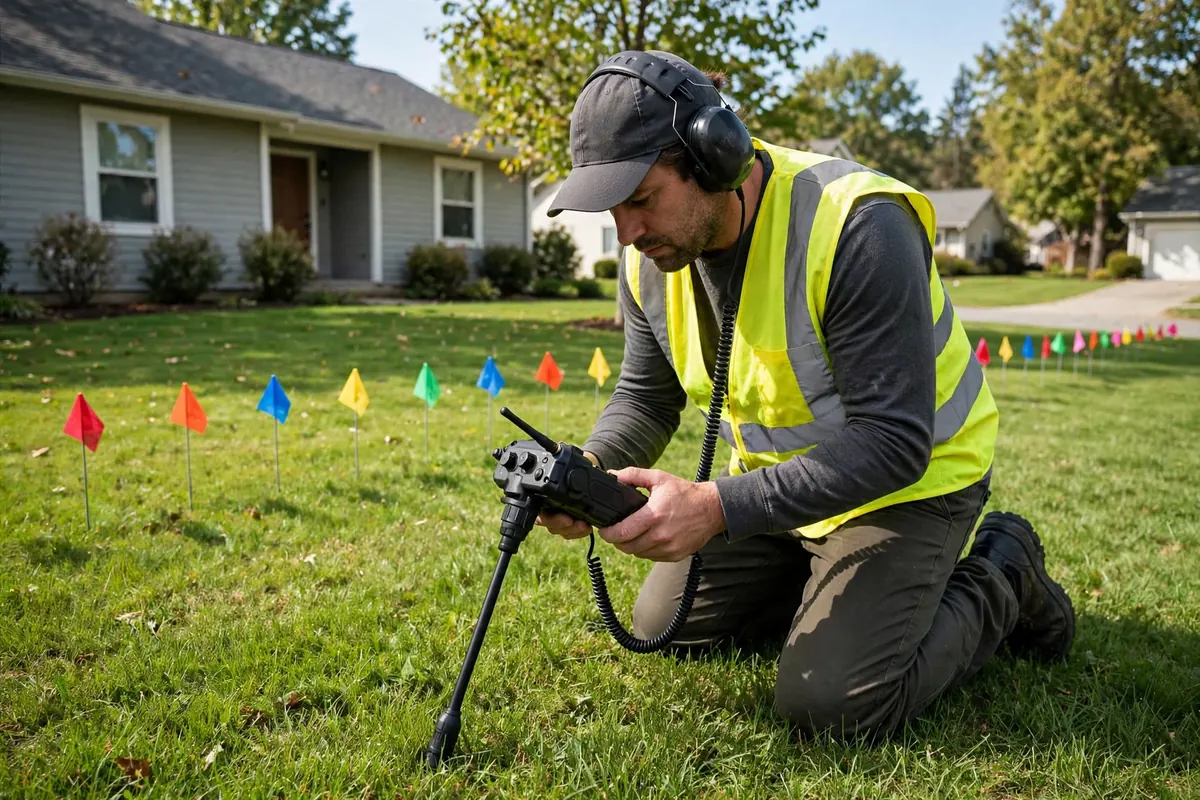
Main Water Line Leak Detection — non-invasive detection in Summerville, SC
Learn more →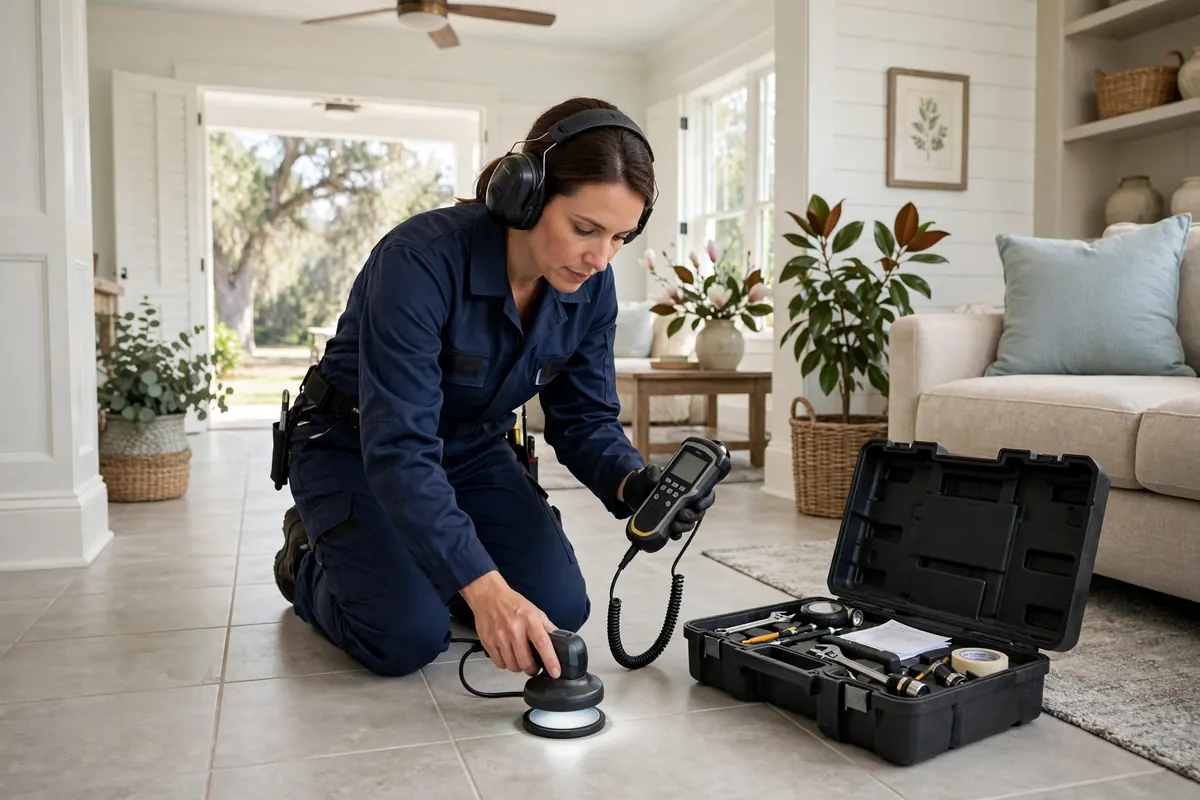
Acoustic Leak Detection — non-invasive detection in Summerville, SC
Learn more →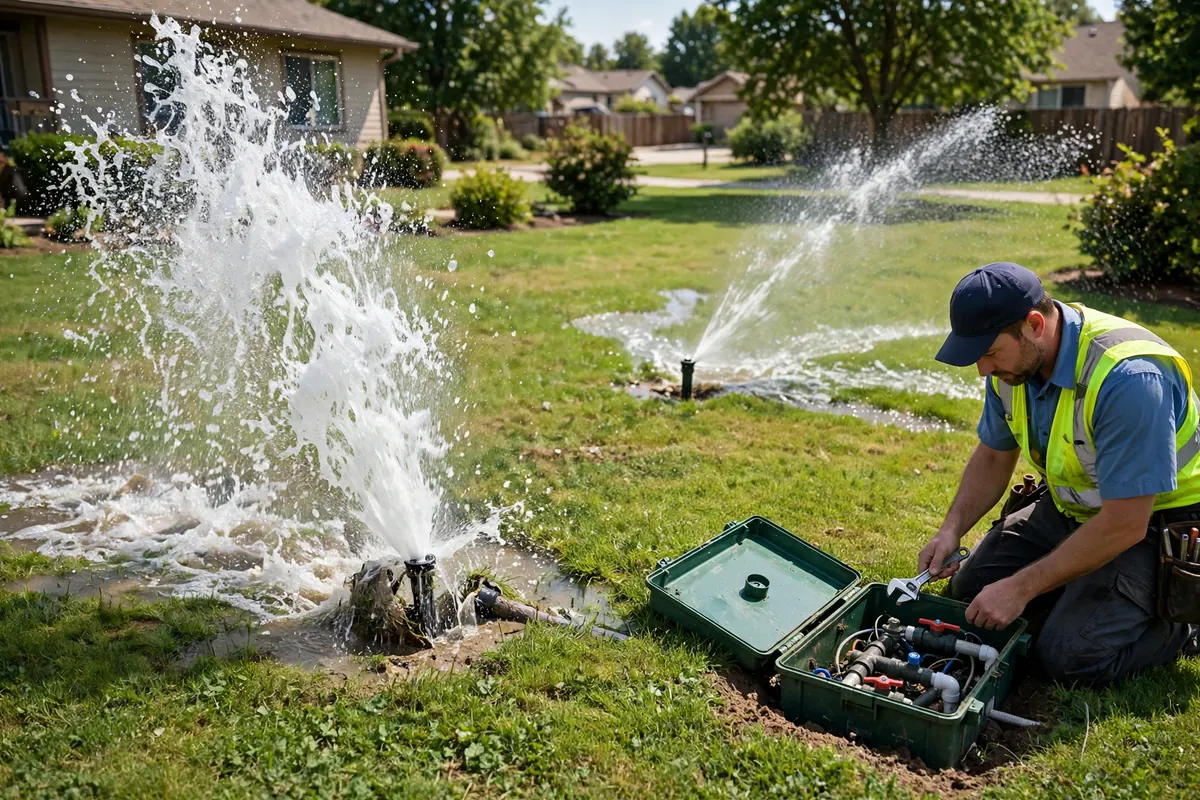
Irrigation & Sprinkler Leak Detection — non-invasive detection in Summerville, SC
Learn more →
Every day a hidden leak runs, the water bill climbs and the damage spreads. Call now — we answer 24 hours a day.
