Summerville, SC · Lowcountry · Open 24 hours, 7 days a week ☎ +1 843-936-8115
Summerville, SC · Open 24 Hours

Historic Home Plumbing Assessment in Summerville, SC

Historic Home Plumbing Assessment — non-invasive detection in Summerville, SC

Summerville's Historic Downtown holds homes built from the early 1900s through the 1950s — beautiful, and plumbed in eras whose materials are now decades past their prime. An assessment is a full-system survey: supply lines, drain lines, and visible piping evaluated together, so you know what you're living with before the next failure decides for you.

This isn't a single-leak hunt — it's a condition report on the whole system. We identify pipe materials, test pressure, camera-check accessible drains, and document what's sound, what's aging, and what deserves a plan. For buyers, it's due diligence; for owners, it's a roadmap.

Historic Home Plumbing Assessment in Summerville, SC

Signs You May Need Historic Home Plumbing Assessment

  • Discolored or rusty water at taps
  • Water pressure fading over the years
  • Recurring pinhole leaks in supply lines
  • Visible gray plastic (polybutylene) piping
  • Cast-iron drains with chronic slow flow
  • A home 40+ years old with original plumbing

Summerville's Historic Housing, Pipe by Pipe

Homes from the early 1900s through mid-century were plumbed with whatever their era offered — and each era's material fails on its own schedule. Knowing which materials are in your walls and under your floors is the starting point of every assessment, because the material predicts the failure: corrosion, scaling, joint separation, or chemical deterioration. The assessment maps what you have before it maps what's wrong.

The Materials Timeline

  • Galvanized steel — mid-century supply lines that corrode from the inside, narrowing until pressure fades and pinholes appear.
  • Cast iron — drain and sewer lines that scale internally and separate at hub joints, inviting roots and blockages.
  • Copper — long-lived but not immortal; water chemistry and soil contact cause pinhole leaks, especially under slabs.
  • Clay tile — older sewer laterals in short segments with many joints, each one an invitation for roots.

Polybutylene: What Owners Should Know

Polybutylene — the gray plastic supply piping installed widely from the late 1970s through the mid-1990s — deteriorates from the inside when exposed to common water disinfectants, and failures tend to be sudden rather than gradual. There is no 'polybutylene leak detection' service because the intent isn't finding one leak; it's identifying the material and planning replacement. If your home is from that era and gray plastic pipe is visible at the water heater or under sinks, an assessment confirms what you're dealing with.

What the Assessment Covers

We walk the visible plumbing — water heater connections, under-sink supplies, exposed runs in crawlspaces and attics — identifying materials and noting active issues. A static pressure test checks the supply system's integrity; camera inspection spot-checks accessible drain lines; fixtures are operated and observed. The deliverable is a written summary: what's sound, what's aging, what's polybutylene, and what merits attention first. No walls opened, no guesswork — a documented baseline for the decisions ahead.

☎ Call +1 843-936-8115 — open 24 hours, 7 days. We answer.

Call Now

Our Historic Home Plumbing Assessment Process

Walk the visible system

Exposed plumbing is surveyed room by room; materials are identified and active issues noted.

Test supply integrity

A static pressure test reveals whether the supply system holds or is losing water.

Camera-check the drains

Accessible drain and sewer lines are scoped for roots, cracks, and offsets.

Identify risk materials

Polybutylene, galvanized, and clay components are flagged with their implications.

Deliver the written summary

You receive a documented baseline: sound, aging, and priority — for you, a buyer, or a contractor.
Frequently Asked Questions

Is polybutylene pipe dangerous?
It's not a health hazard — it's a reliability hazard. The material deteriorates internally and tends to fail suddenly. The practical question isn't whether it leaks today but when, which is why identification and replacement planning matter more than leak hunting.
Should I replace all my galvanized pipes?
That's a repipe decision, not a detection one — and it's yours to make with full information. Our assessment documents the galvanized system's current condition so you're deciding from evidence, not anxiety.
Do you open walls during an assessment?
No. The assessment is non-invasive: visible plumbing, pressure testing, and camera inspection through existing access. What we can't see, we say we can't see.
Is this the same as a general home inspection?
No. A home inspection surveys everything briefly; this assessment goes deep on one system — supply lines, drains, materials, and pressure — with instruments a general inspector doesn't carry.
My house was built in the 1920s. What should I expect?
Original-era galvanized supplies and cast-iron drains are likely past their reliable life, possibly with partial updates from later decades. Expect a mixed system — and expect the assessment to sort original from updated, sound from failing.
Do you do the repipe or repairs afterward?
Our role ends at documentation: a precise, written picture of the system's condition. Any repipe or repair contractor can bid and work from it — which is exactly the point of getting the assessment first.

Related Services

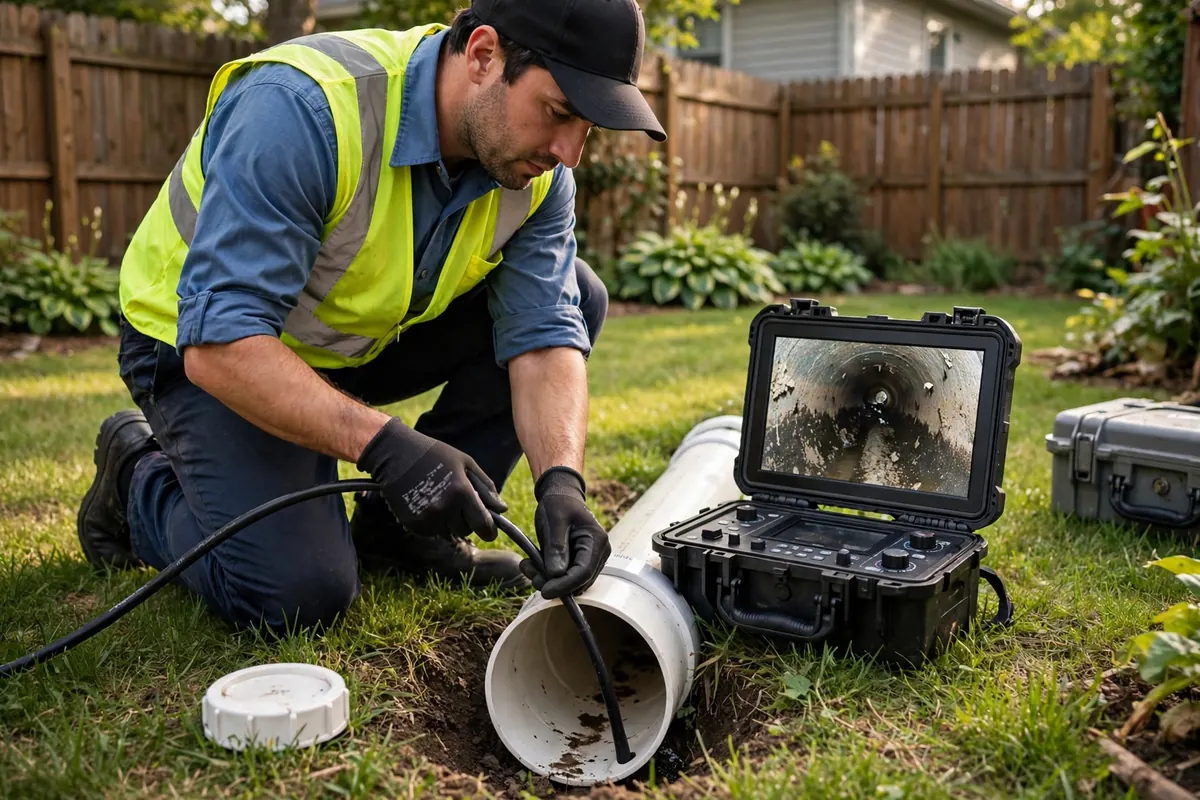
Sewer Camera Inspection in Summerville, SC

Sewer Camera Inspection

Sewer Camera Inspection — non-invasive detection in Summerville, SC

Learn more →
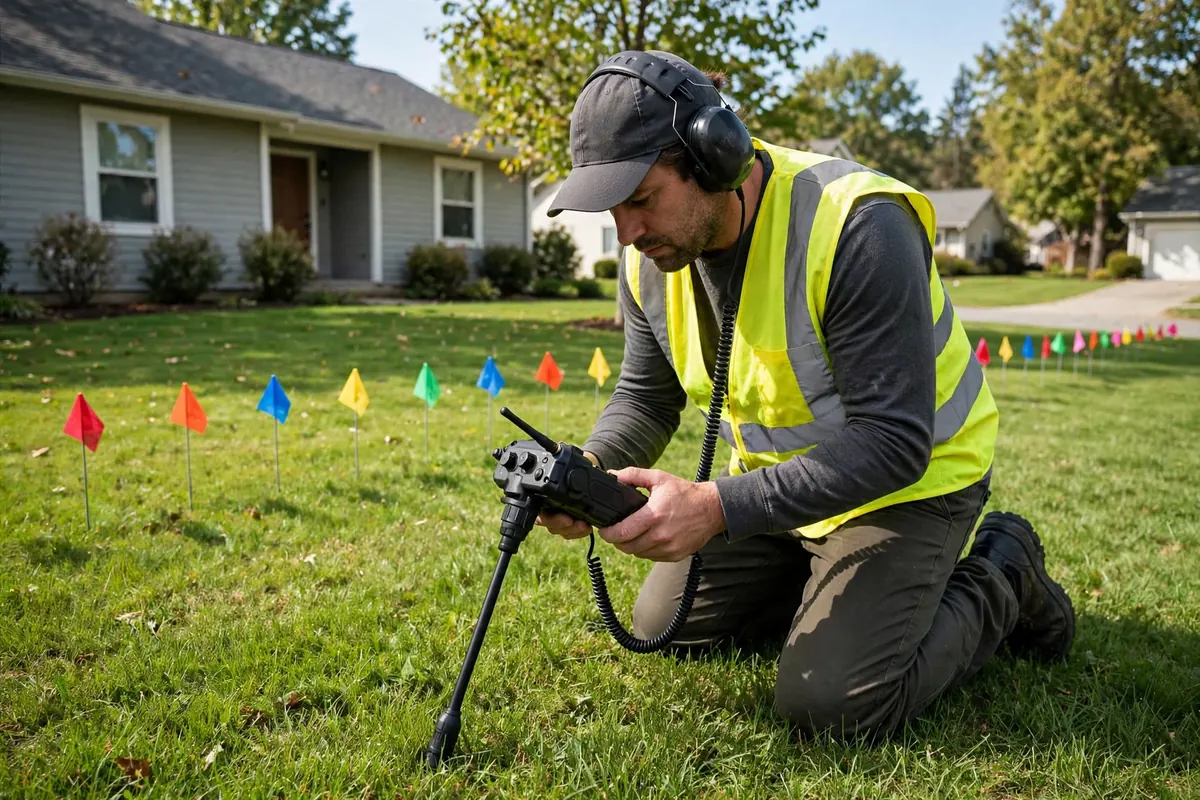
Main Water Line Leak Detection in Summerville, SC

Main Water Line Leak Detection

Main Water Line Leak Detection — non-invasive detection in Summerville, SC

Learn more →
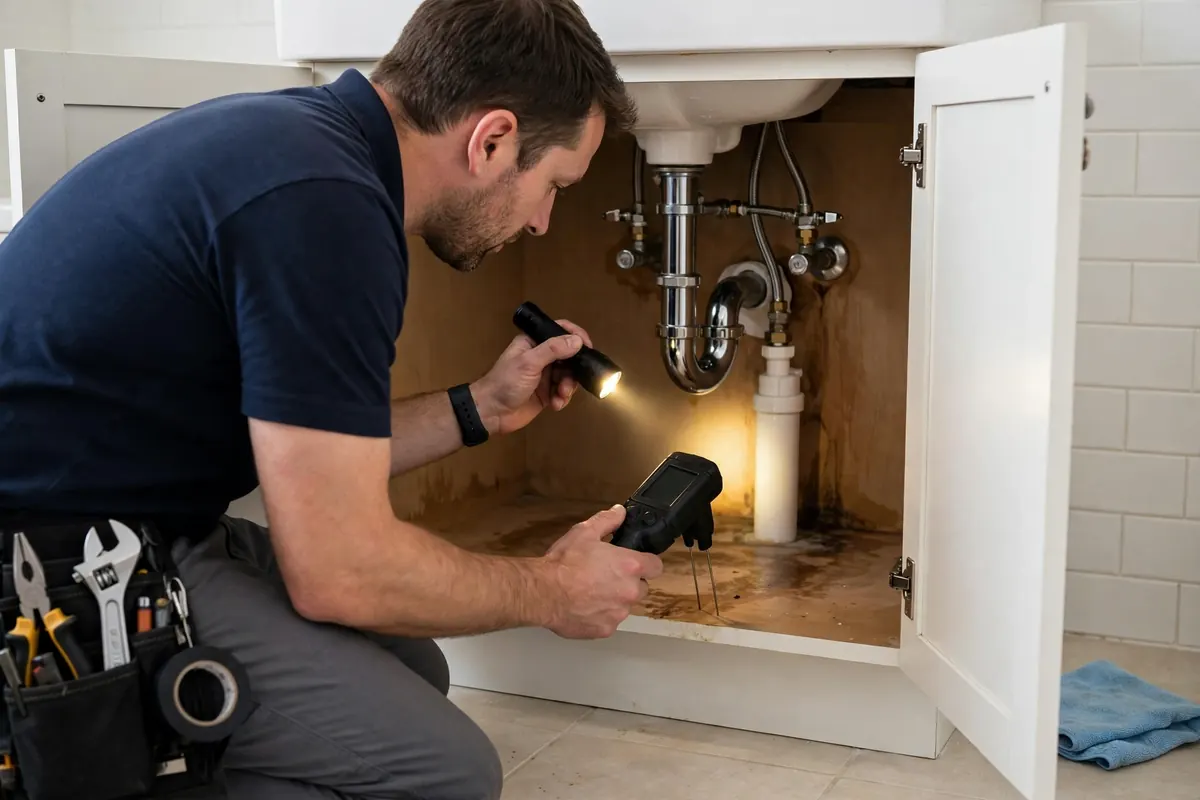
Bathroom Plumbing Leak Detection in Summerville, SC

Bathroom Plumbing Leak Detection

Bathroom Plumbing Leak Detection — non-invasive detection in Summerville, SC

Learn more →
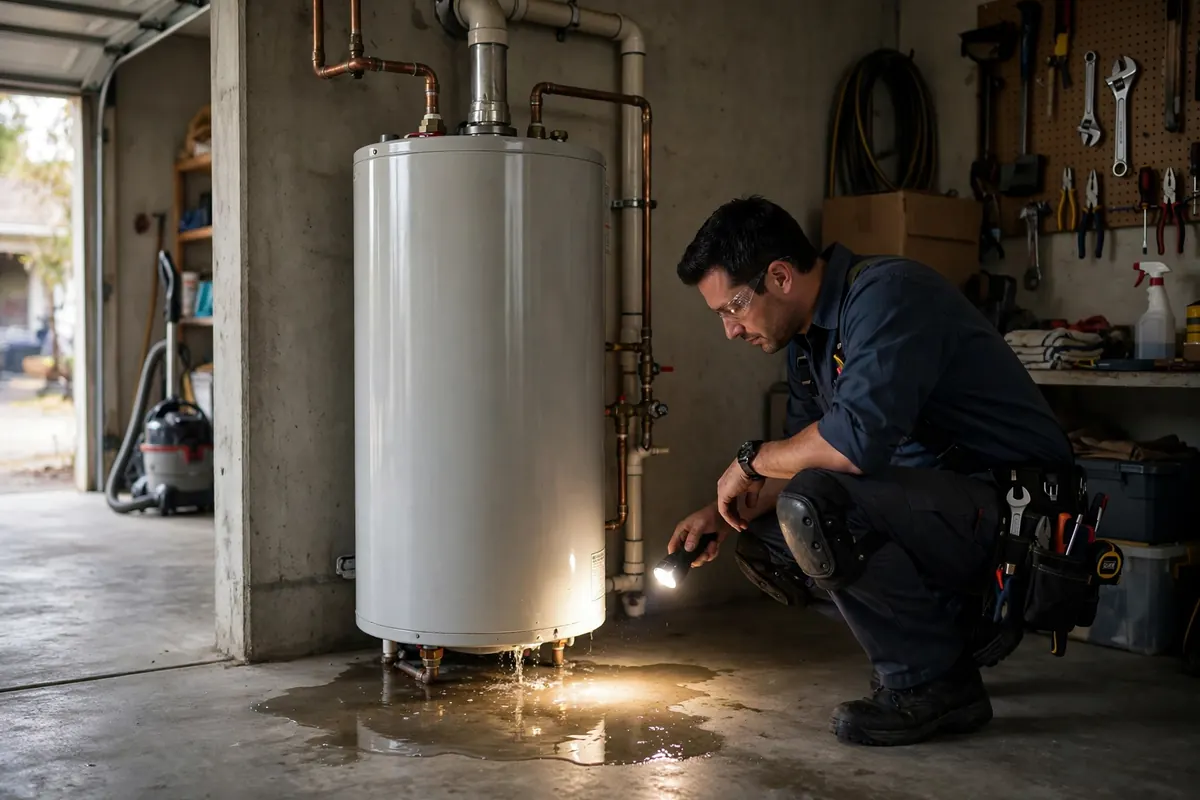
Water Heater Leak Detection in Summerville, SC

Water Heater Leak Detection

Water Heater Leak Detection — non-invasive detection in Summerville, SC

Learn more →

Suspect a Hidden Leak? Don't Wait for the Damage.

Every day a hidden leak runs, the water bill climbs and the damage spreads. Call now — we answer 24 hours a day.

☎ Call +1 843-936-8115Request Service