Summerville, SC · Lowcountry · Open 24 hours, 7 days a week ☎ +1 843-936-8115
Summerville, SC · Open 24 Hours

Sewer Camera Inspection in Summerville, SC

Sewer Camera Inspection — non-invasive detection in Summerville, SC

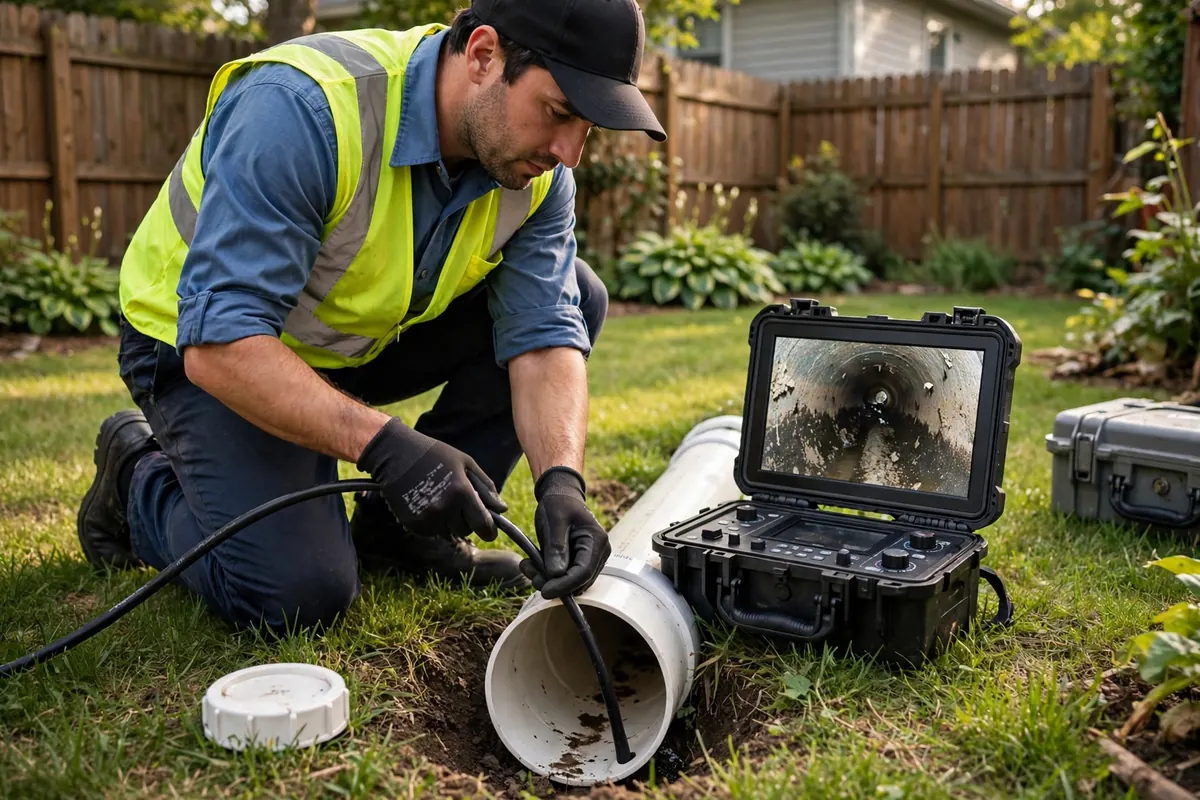
A sewer camera inspection puts eyes inside your sewer line — a high-resolution camera on a push cable travels from a cleanout through the lateral to the street, showing the pipe's interior live on a monitor. Roots, cracks, bellies, offsets: the camera doesn't infer them, it shows them.

This page covers the inspection itself — what the camera sees, how the visit runs, and what the footage means. ('Sewer line inspection' is the same service under a different name; there's one page because there's one intent.) A camera shows condition; where the question is whether the line holds water, hydrostatic testing answers that as a complementary diagnostic.
Sewer Camera Inspection in Summerville, SC

Signs You May Need Sewer Camera Inspection

  • Drains clogging again and again
  • Gurgling sounds from toilets or tubs
  • Sewage odor inside or outside
  • Multiple fixtures draining slowly at once
  • Soggy or sunken patch over the sewer's path
  • An older home that's never been scoped

What the Camera Actually Shows

The monitor shows the pipe wall in real time as the camera advances — every joint, every foot of it. The technician narrates as it goes: here the pipe is sound, here roots are entering through a joint, here the grade sags. Distances are tracked by the cable counter, so each defect is logged by footage from the entry point. You can watch alongside; the recording is yours afterward.

The Usual Suspects: Roots, Cracks, Bellies, Offsets

  • Roots — tree roots enter through joints and cracks seeking water, then expand into masses that catch everything flowing past. Summerville's mature oaks and pines make this the most common find.
  • Cracks and fractures — from soil shifting, heavy loads above, or simple age, letting soil in and sewage out.
  • Bellies — low sags where the grade settled; water and solids pool instead of flowing, causing chronic slow drains.
  • Offsets — joints shifted out of alignment, creating a lip that snags debris and eventually blocks.

How an Inspection Runs

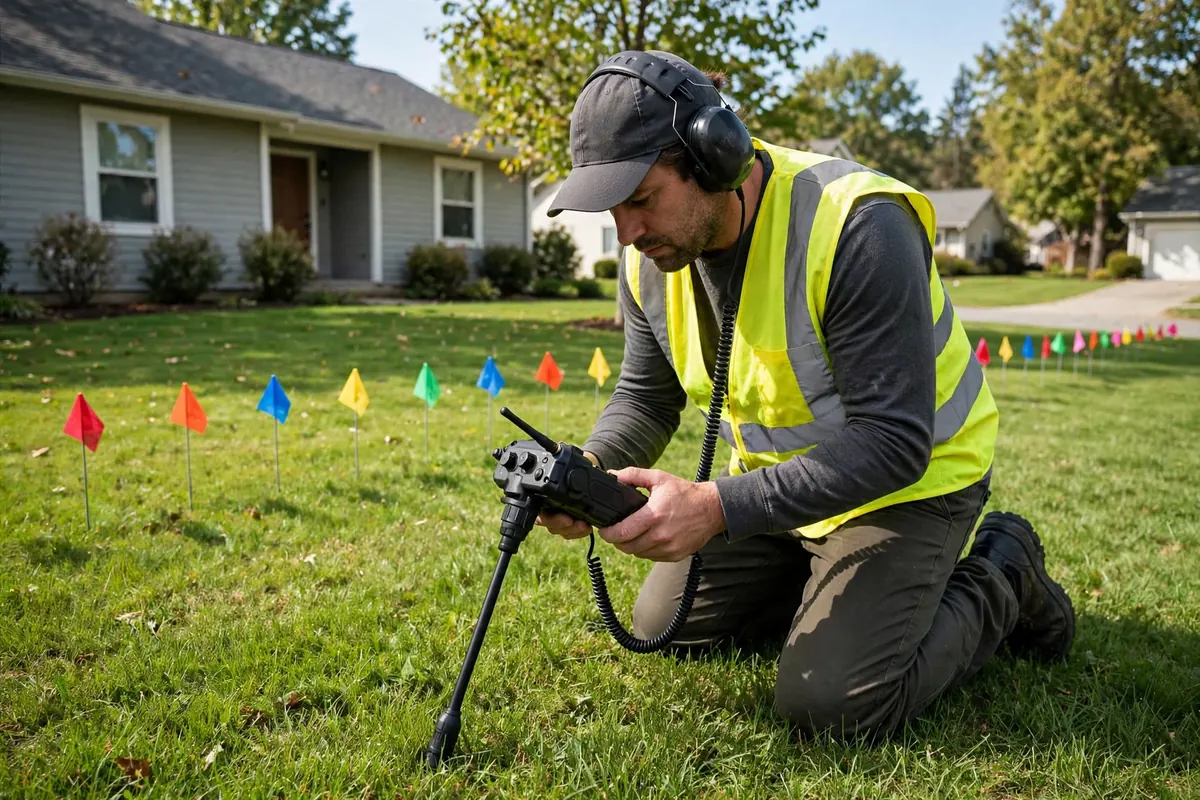
Access is through a cleanout — the capped pipe stub usually near the house or in the yard. The push camera feeds in while a sonde in the camera head broadcasts a signal; a receiver above ground tracks its position and depth, so every defect seen on screen is also marked on the surface. No digging, no disruption: the camera goes in and comes out through the same opening, and the lawn never knows it was there.

Camera vs Hydrostatic: Different Questions

A camera answers 'what's wrong inside the pipe' — it shows condition. Hydrostatic testing answers 'does the line hold water' — the line is plugged, filled, and the level watched for drop. A cracked line that still drains might look passable at a glance but fail a hydrostatic test; a belly shows on camera but holds water fine. The two diagnostics complement each other, and which one your situation needs depends on the symptom we're chasing.

☎ Call +1 843-936-8115 — open 24 hours, 7 days. We answer.

Call Now

Our Sewer Camera Inspection Process

Locate access

The cleanout is found; if none exists, we discuss access options before proceeding.

Feed the camera

The push camera travels the lateral to the main while footage records.

Narrate and log

Each defect is called out live and logged by distance from entry.

Locate from the surface

The sonde signal marks every defect's position and depth on the ground above.

Deliver the findings

You receive the recording plus a written summary of defects and locations.
Frequently Asked Questions

Will the camera damage my pipes?
No. The camera head is smooth and smaller than the pipe's interior, and it travels the same path wastewater takes. It's purely observational — nothing is cut, scraped, or forced.
What if my house has no cleanout?
Then we discuss options: some inspections can run through a pulled toilet or a roof vent, though access is more limited. We'll tell you honestly what the available access can and can't show.
Can the camera find a leak, or just blockages?
Both — anything visible inside the pipe. Cracks, separated joints, and root intrusions are all leak paths as well as blockage risks. What it can't do is test whether a line holds pressure; that's the hydrostatic test's job.
Do you also clean the line?
Our visit is diagnostic. If roots or buildup are found, the footage and surface markings tell any drain cleaner exactly where to work — which beats blind cabling from the cleanout.
Should I scope the sewer before buying an older home?
For homes with mature trees and older piping, it's one of the highest-value inspections available. A sewer lateral replacement is a major surprise expense; a camera visit finds it before closing.

Related Services

Main Water Line Leak Detection in Summerville, SC

Main Water Line Leak Detection

Main Water Line Leak Detection — non-invasive detection in Summerville, SC

Learn more →

Historic Home Plumbing Assessment in Summerville, SC

Historic Home Plumbing Assessment

Historic Home Plumbing Assessment — non-invasive detection in Summerville, SC

Learn more →
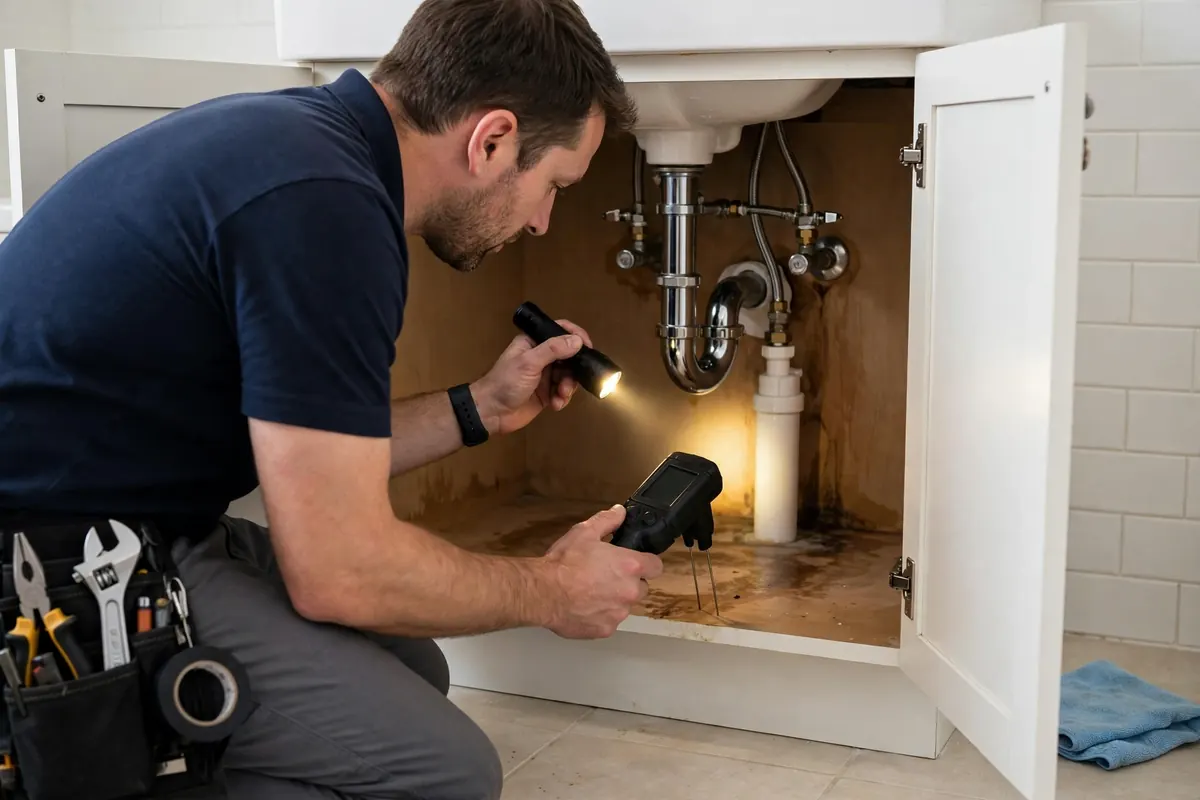
Bathroom Plumbing Leak Detection in Summerville, SC

Bathroom Plumbing Leak Detection

Bathroom Plumbing Leak Detection — non-invasive detection in Summerville, SC

Learn more →
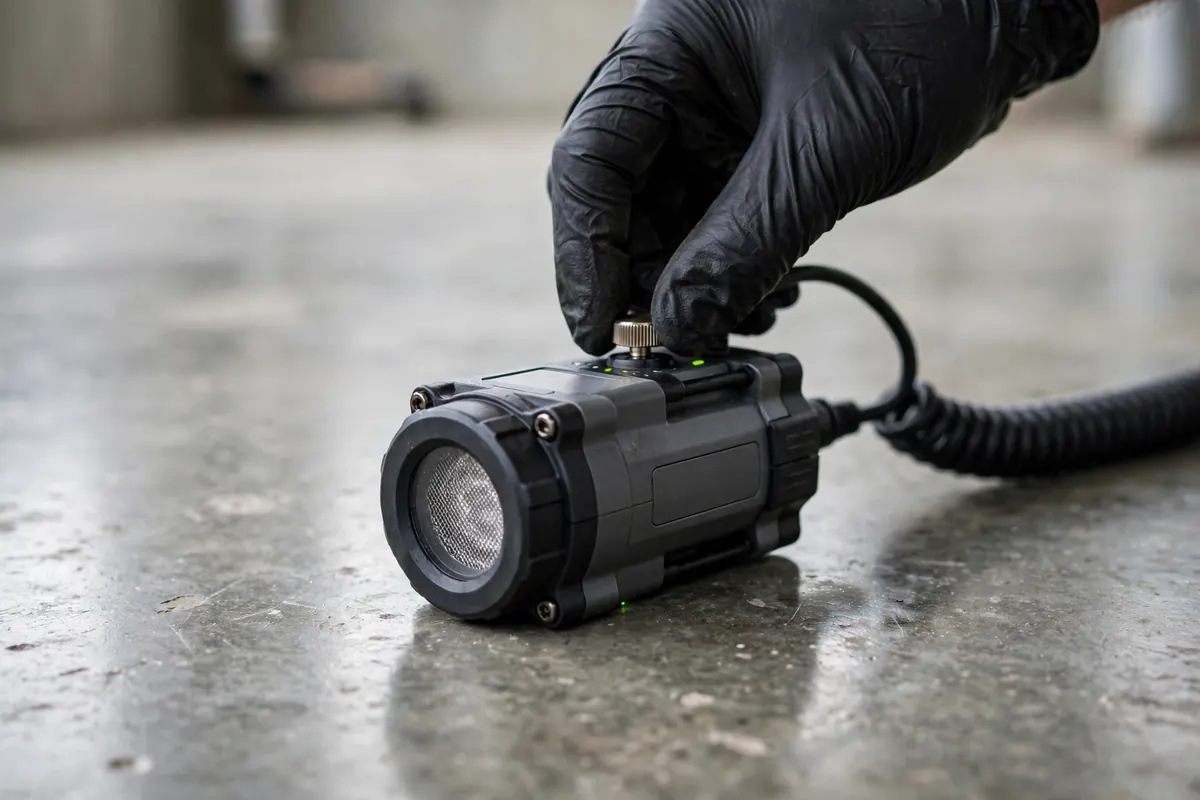
Slab Leak Detection in Summerville, SC

Slab Leak Detection

Slab Leak Detection — non-invasive detection in Summerville, SC

Learn more →

Suspect a Hidden Leak? Don't Wait for the Damage.

Every day a hidden leak runs, the water bill climbs and the damage spreads. Call now — we answer 24 hours a day.

☎ Call +1 843-936-8115Request Service