Irrigation & Sprinkler Leak Detection — non-invasive detection in Summerville, SC
An irrigation system is a second plumbing network most homeowners never think about — dozens of heads, lateral lines, and valves buried inches under the lawn, running on a timer while everyone sleeps. When it leaks, the symptoms masquerade as everything else: a high water bill blamed on the house, a soggy patch blamed on rain, a dead zone blamed on the grass.
Irrigation leaks get their own investigation because the system has its own anatomy: zones controlled by valves, valve boxes where failures concentrate, and lateral lines that only pressurize when their zone runs. We test the system zone by zone, isolate the irrigation from the house supply, and trace the break — without trenching the whole lawn.
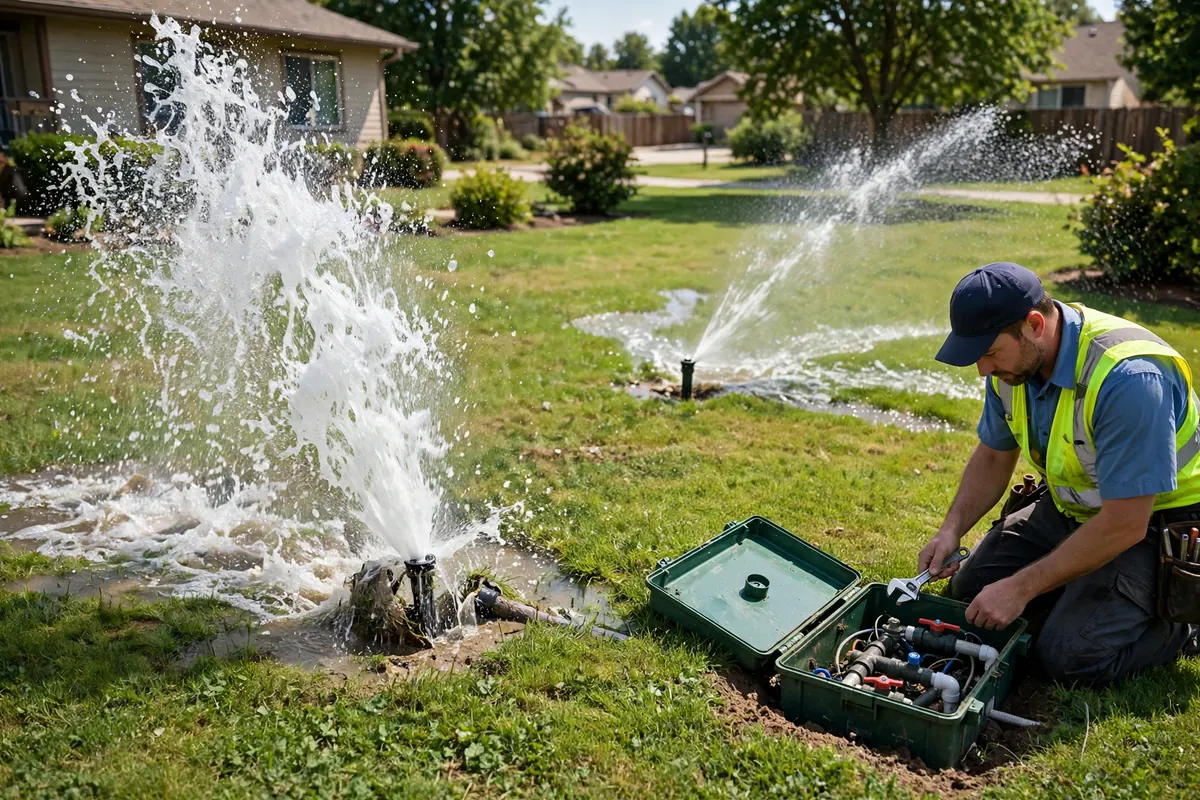
A typical system has a mainline under constant pressure and lateral lines that pressurize only when their zone's valve opens. Mains leak like house service lines — constantly. Laterals leak only during their zone's run, which makes them intermittent and harder to catch. Add stuck valves that weep around the clock, cracked heads from mowers, and funny-pipe connections worked loose by soil movement, and you have a system with many small ways to waste a lot of water.
The single most useful diagnostic is also the simplest: run each zone alone and watch. A zone that won't pressurize, geysers at one head, or floods one area has declared itself. Meanwhile, a meter test with the irrigation master valve closed separates house from yard — if the meter stops, the irrigation is the culprit; if it keeps moving, the house line is. This isolation is always step one, because it decides which system gets investigated.
Every zone's valve lives in a ground-level box, and these boxes are the system's weak points: diaphragms tear, solenoids stick, and bonnets crack — often leaking directly into the surrounding soil where the only symptom is a perpetually damp patch. A valve stuck partially open can run its zone for hours unnoticed, especially on overnight schedules. We open and inspect every box, because the simplest fix in irrigation is usually sitting in one.
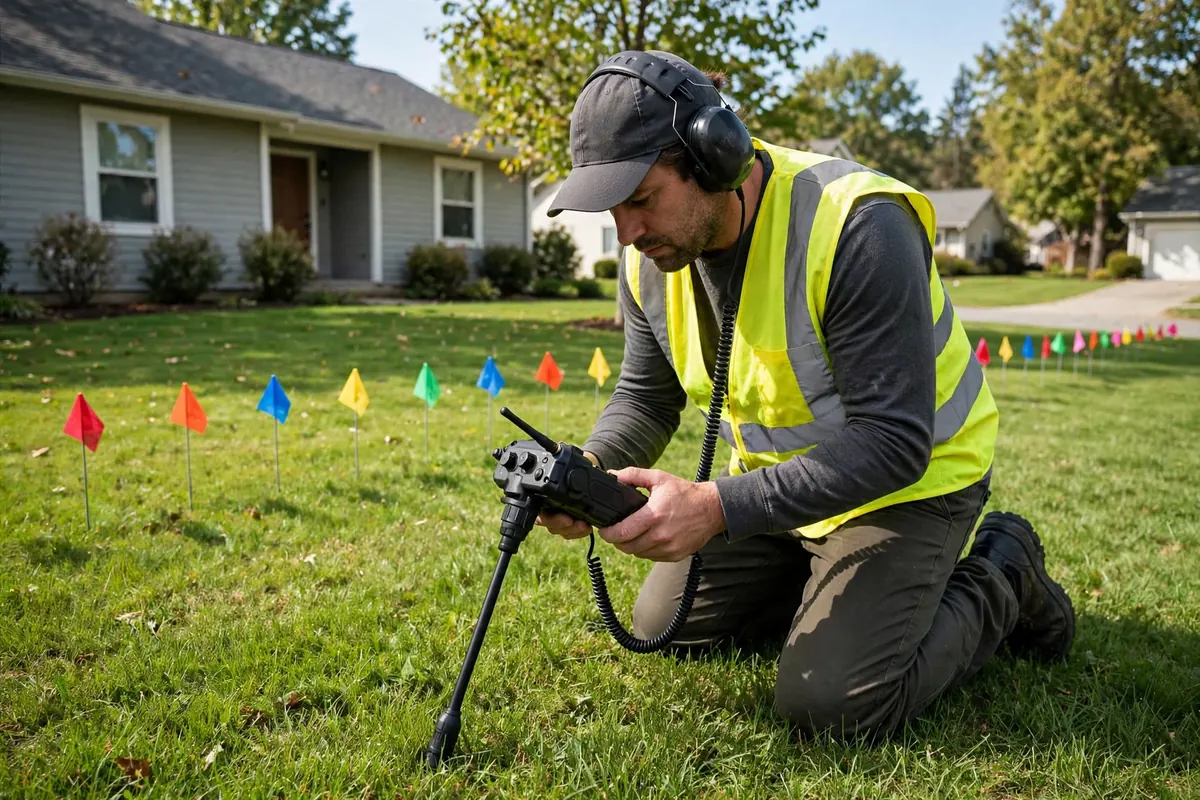
A broken lateral underground shows itself as a soggy stripe following the pipe's path — but only while its zone runs. Once the suspect zone is identified, we trace the lateral the same way we trace a house service line: the line's route is mapped, and acoustic listening along the pressurized run finds the break's peak signal. The repair then opens one spot, not a trench across the turf.
☎ Call +1 843-936-8115 — open 24 hours, 7 days. We answer.
Call NowA meter test with irrigation isolated determines which system is losing water.
Each zone is operated alone while pressure, coverage, and pooling are observed.
Every box is opened; weeping valves and stuck solenoids are identified.
The suspect line's route is mapped and acoustically surveyed to the break.
The break is marked and documented so only one spot is opened.
Main Water Line Leak Detection — non-invasive detection in Summerville, SC
Learn more →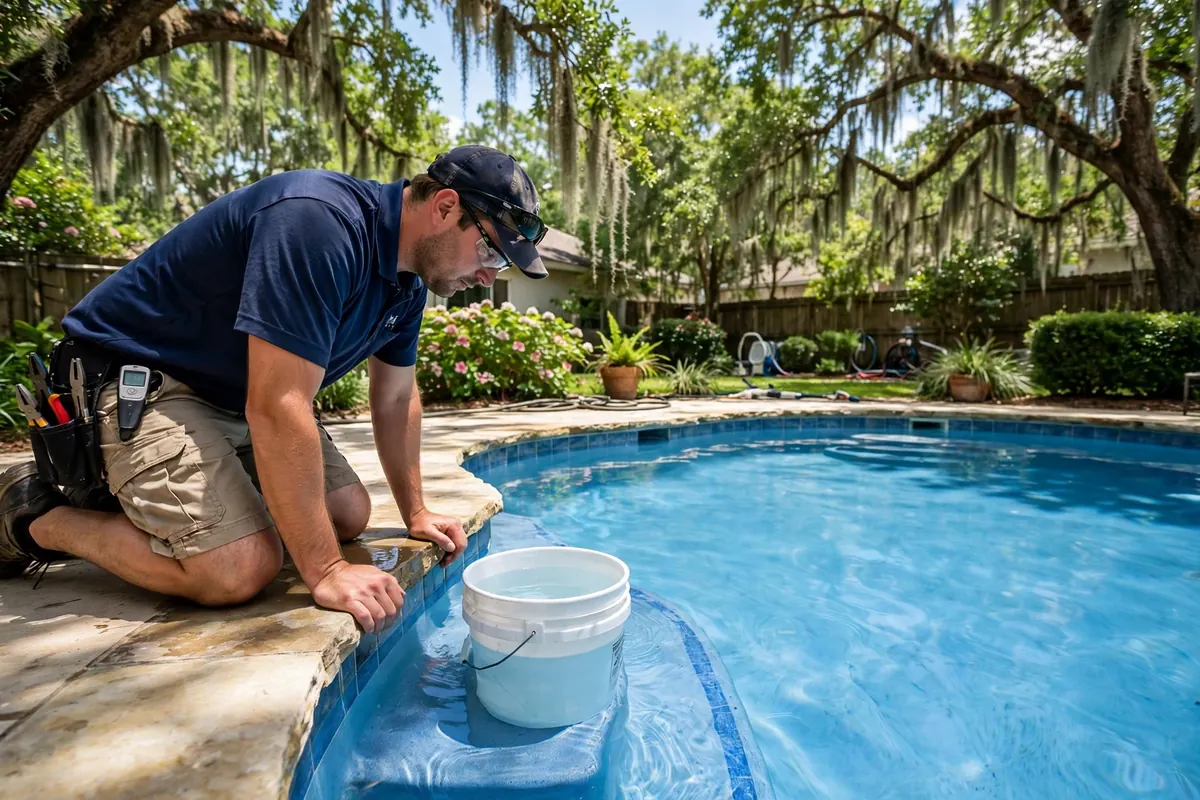
Pool & Spa Leak Detection — non-invasive detection in Summerville, SC
Learn more →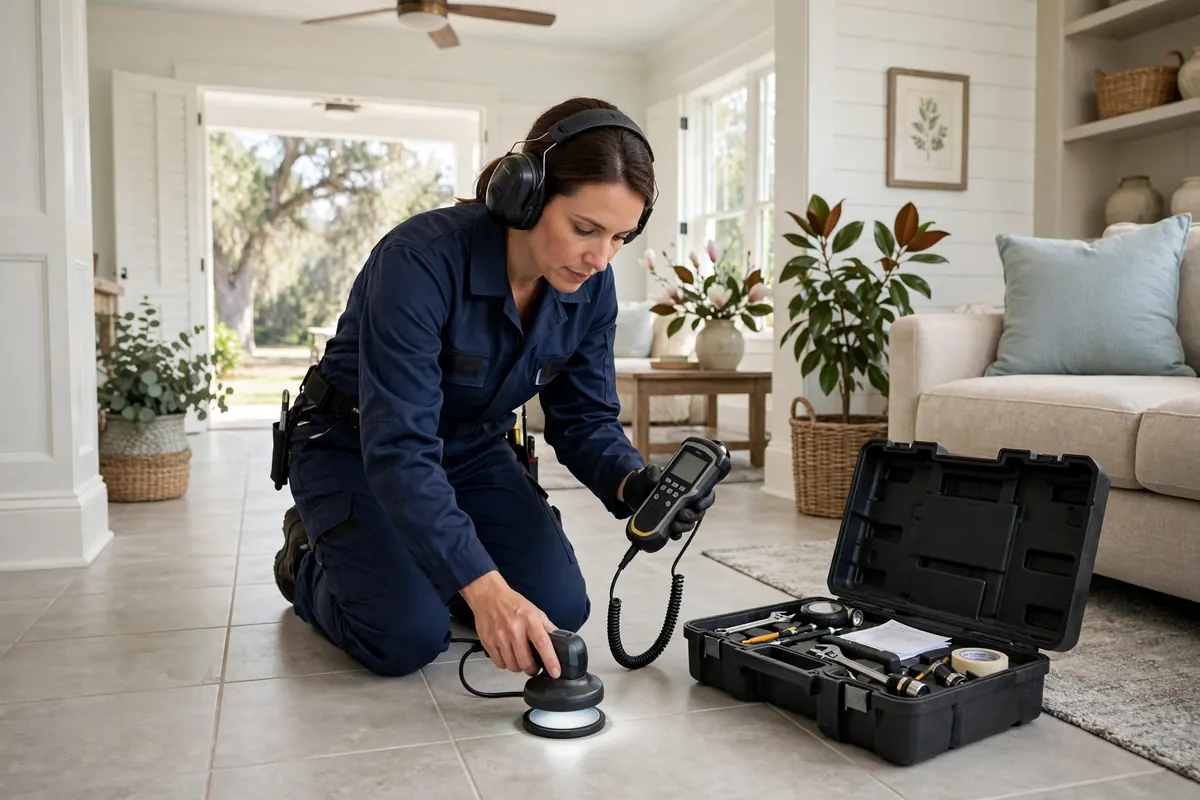
Acoustic Leak Detection — non-invasive detection in Summerville, SC
Learn more →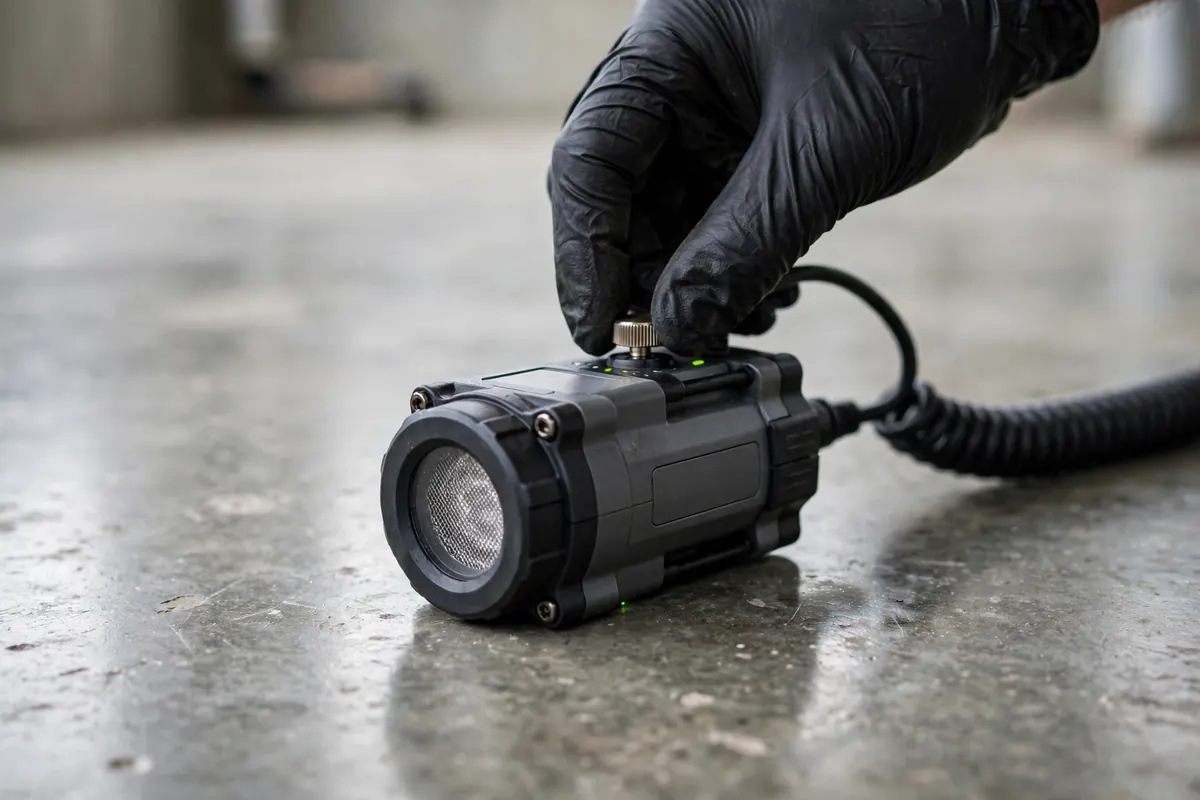
Every day a hidden leak runs, the water bill climbs and the damage spreads. Call now — we answer 24 hours a day.
